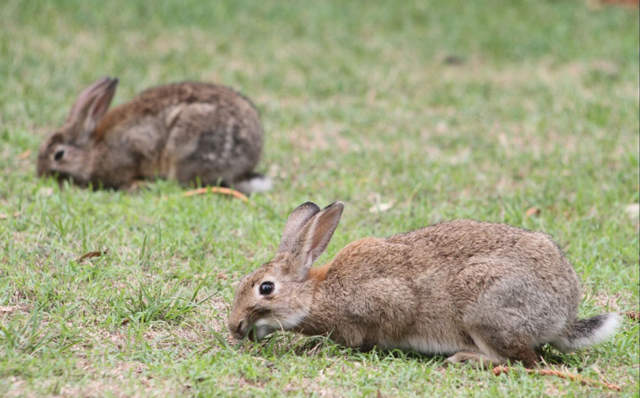
Rabbits and hares are widespread and damaging invasive pest species across New South Wales, causing significant impacts on agricultural productivity, land condition and native ecosystems. Their intensive grazing and burrowing behaviour leads to pasture loss, soil erosion, and damage to crops, fencing and earthworks. In degraded landscapes, rabbit and hare populations can prevent natural regeneration and undermine long‑term land management efforts.
Due to their high reproductive rates and ability to spread rapidly, un-managed rabbit and hare populations can quickly escalate, increasing pressure on neighbouring properties and the wider environment. They also contribute indirectly to broader pest problems by supporting predator populations such as foxes and wild dogs.
Under the NSW Bio-security Act, landholders have a general bio-security duty to prevent, eliminate or minimize the risks posed by pest animals on their land. Effective rabbit and hare control is a key component of meeting these responsibilities and protecting both productive assets and natural systems.
Rabbits and hares leave highly recognizable feeding damage, scats, scratching, warrens, and tracks. Rabbits are far more destructive and leave more concentrated signs; hares leave lighter, more scattered indicators.
Rabbits and hares both leave small round pellets, but there are differences:
Rabbits and hares feed differently, and the damage patterns help identify which species is present.
Hares do not dig warrens — this is a key distinction.
Rabbit warrens:
Large warrens can house dozens of rabbits.
Rabbits create shallow scrapes for:
Signs include:
Hares do not dig scrapes — they create forms (see below).
Hares rest in shallow depressions called forms.
Characteristics:
If you find a form, hares are active in the area.
Rabbit and hare tracks can be hard to see unless soil is soft.
Rabbits kick soil out of entrances, leaving:
This is a strong indicator of active warrens.
Both species cause agricultural losses.
Common signs:
Rabbits cause more intense, localized damage; hares cause lighter, widespread damage.
Rabbits:
Hares:
Many landholders achieve an initial reduction in rabbit numbers, only to see populations recover within months. Long-term control requires addressing the factors that allow rabbits to survive, breed and recolonize an area. Effective rabbit management focuses not just on reducing numbers, but on preventing rapid population recovery.
Rabbit warrens provide shelter, breeding sites and protection from predators and weather. Even when rabbit numbers are reduced, active warrens can continue to support surviving animals and quickly become the source of re-infestation. Identifying and managing warrens is a critical component of long-term rabbit control.
Rabbits are capable of rapid population growth under favorable conditions. A small number of surviving rabbits can quickly rebuild a population, particularly following seasonal rainfall and improved pasture conditions. This is why initial control efforts often need to be followed by ongoing monitoring and management.
Rabbits do not recognize property boundaries. Even where control efforts are successful on one property, unmanaged populations on neighbouring land can lead to continual re-invasion. Coordinated control programs across multiple properties generally provide more effective and longer-lasting outcomes.
Rabbit management is rarely a one-off activity. Regular monitoring, follow-up control and timely intervention are essential to prevent populations recovering and to maintain reductions achieved through initial control programs. A structured, ongoing approach delivers the most sustainable results for both productivity and biosecurity.
Properties that combine initial control with monitoring, follow-up management and, where possible, coordinated neighbour participation are far more likely to achieve lasting reductions in rabbit pressure and associated damage
✅ Structured Pest Management Plans
✅ Thermal-Assisted Detection
✅ GPS-Mapped Reporting
✅ Licensed & Insured
✅ Compliance Documentation
✅ Coordinated Multi-Property Programs
✅ Central West NSW Coverage
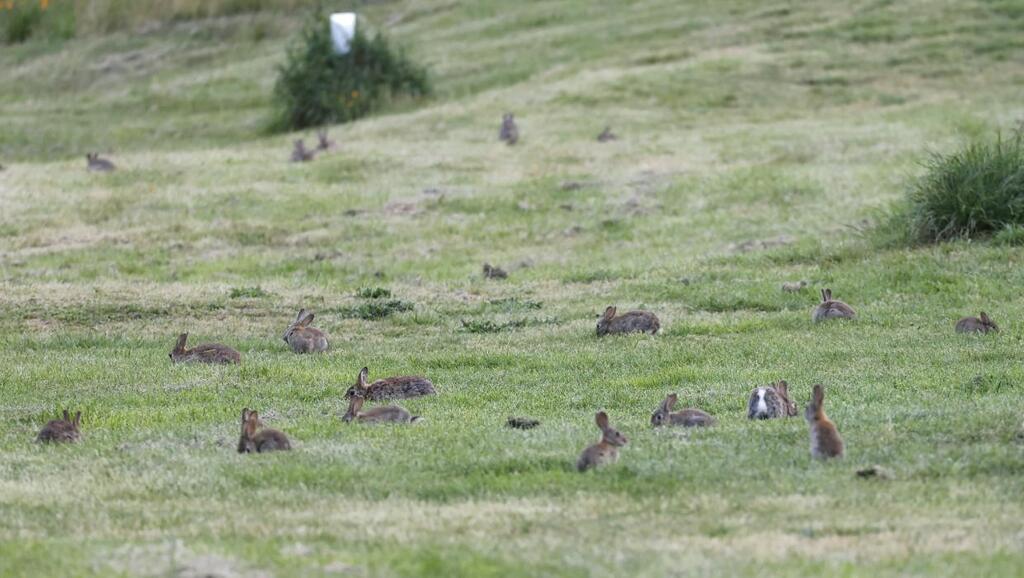
Successful rabbit and hare control requires a planned, integrated and property‑specific approach. Single‑method or short‑term efforts are rarely effective on their own. Long‑term population reduction depends on combining multiple control methods that target both animals and harbour, while accounting for seasonal conditions and land use.
Licensed feral pest control operators in NSW may use a combination of approved and best‑practice methods, including:
All control activities are carried out with strict regard for NSW legislative requirements, animal welfare standards, and property‑specific risk management.
Engaging professional rabbit and hare management services can help landholders to:
Across New South Wales, effective rabbit and hare management relies on tailored, property‑specific programs rather than one‑off control activities. Terrain, soil type, vegetation cover, pest density and surrounding land use all influence which control methods will deliver the best results.
By applying the right combination of techniques and coordinating efforts with neighbouring landholders where possible, rabbit and hare populations can be reduced sustainably. This integrated approach supports landholders in meeting their biosecurity responsibilities while improving land condition, productivity and long‑term environmental outcomes.