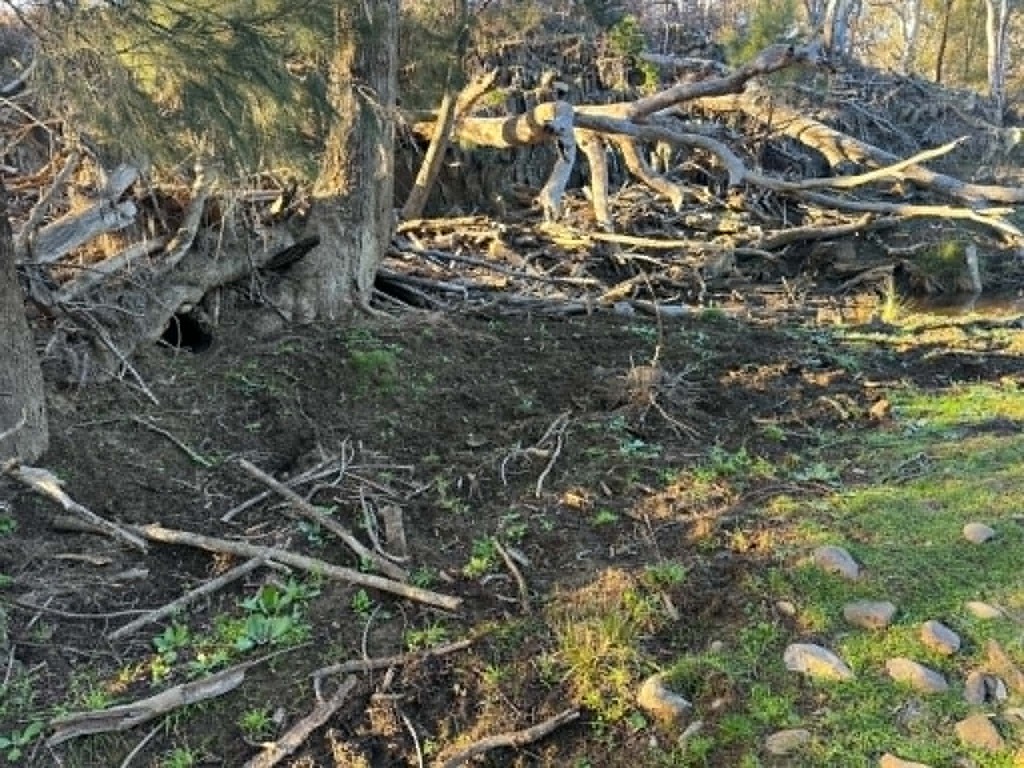
Feral pigs are one of the most destructive pest animals affecting rural NSW. They damage pastures, contaminate water sources, destroy crops, spread disease, and cause significant losses to agricultural production.
Davrac delivers structured feral pig management programs designed to:
✅ Reduce pig numbers
✅ Protect livestock and crops
✅ Minimize environmental damage
✅ Provide GPS-mapped reporting
✅ Support long-term property biosecurity
Successful feral pig control in NSW requires a planned, lawful and strategic approach. No single method is effective on its own instead, Davrac delivers integrated management programs using a combination of approved techniques selected according to terrain, pig activity, seasonal conditions and landholder objectives.
Our licensed controllers utilize NSW‑approved, best‑practice methods including:
Program Timeline
Initial Assessment (Week 1)
Property inspection, mapping, and identification of pig pressure
Review of water points, feed availability and seasonal drivers
Control Phase (Weeks 2–6)
Integrated baiting, trapping and shooting operations
Neighbour coordination to maximize long‑term impact
Monitoring Phase (Ongoing)
Camera traps and follow‑up patrols
Adjustments based on seasonal movement
Compliance & Welfare
All control activities are conducted with a strong focus on animal welfare, safety and regulatory compliance, meeting NSW legislative and biosecurity requirements. Full reporting is provided for landholder records.
✅ Structured Pest Management Plans
✅ Thermal-Assisted Detection
✅ GPS-Mapped Reporting
✅ Licensed & Insured
✅ Compliance Documentation
✅ Coordinated Multi-Property Programs
✅ Central West NSW Coverage
Feral pig populations can increase rapidly if left unmanaged.
Common impacts include:
The longer populations remain unmanaged, the more expensive control becomes.
Feral pigs can:
Destroy valuable pasture
Damage fencing and water infrastructure
Reduce crop yields
Increase disease risks
Require costly repairs and remediation
The longer pig populations remain unmanaged, the greater the financial impact on your operation.
Our feral pig management programs are designed to:
Every program includes monitoring, assessment and reporting to measure success.
Davrac Rural Pest Services delivers professional feral pest management programs across the Central West, Orana, North West and Riverina regions of New South Wales. We work with landholders, farming enterprises, councils and coordinated pest-management groups to provide targeted, compliant, and effective control programs.
We also service surrounding districts and are available to support large-scale, multi-property, and government-funded pest management programs throughout regional New South Wales.
Whether you're dealing with feral pigs, foxes, wild dogs, deer or rabbits, Davrac Rural Pest Services can develop a tailored management program designed to reduce pest pressure, protect livestock and crops, and support long-term property productivity.
Not sure if we service your area? Contact us today to discuss your property and pest-management requirements.
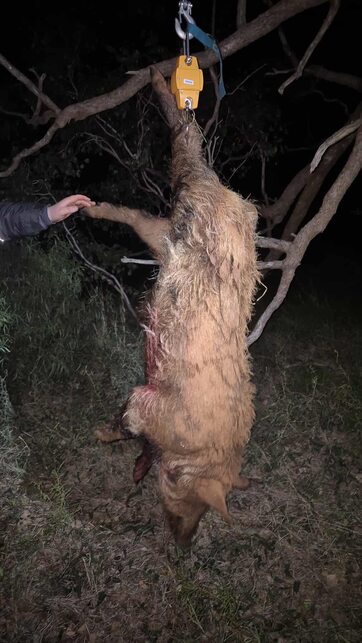
Feral pigs leave highly distinctive ground disturbance, rooting, tracks, wallows, and scats, making them one of the easiest invasive pest species to detect. Their impact on the landscape is often severe, widespread, and rapid, which is why NSW Government identifies feral pigs as a priority biosecurity threat due to environmental damage, agricultural losses, and disease‑spread risk.
Fresh soil turned over across paddocks.
Rounded hoof prints around dams and fence lines.
Muddy depressions near water.
Clear movement corridors through vegetation.
Large dark droppings near feeding areas.
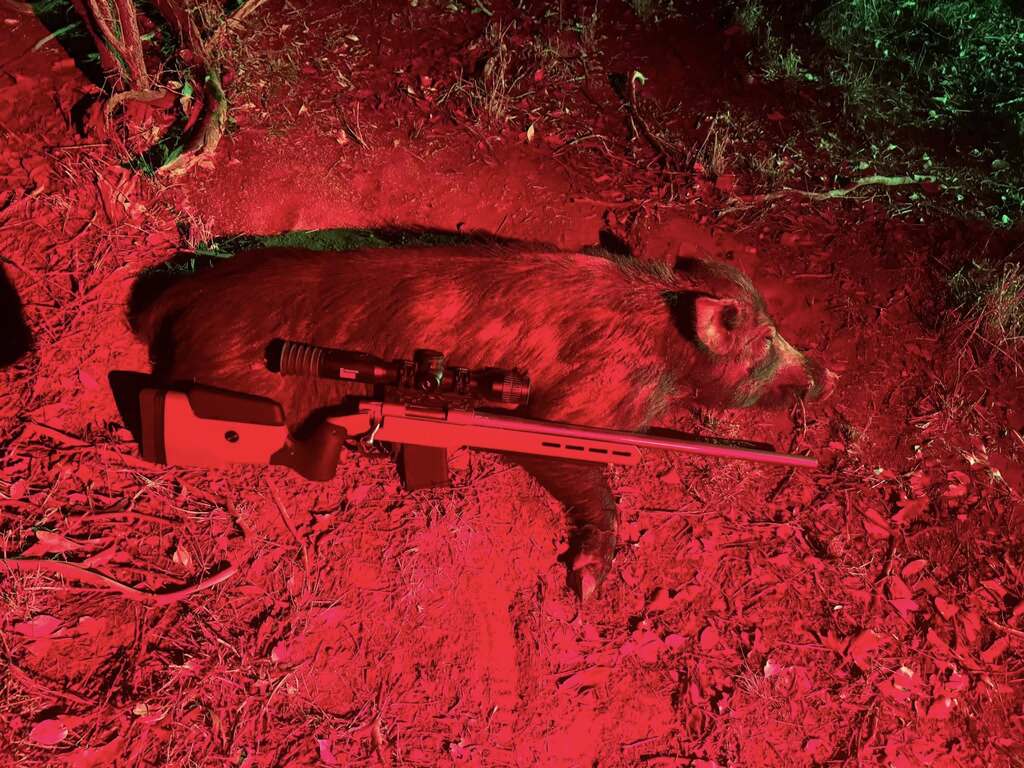
Engaging professional feral pig management services can help landholders to:
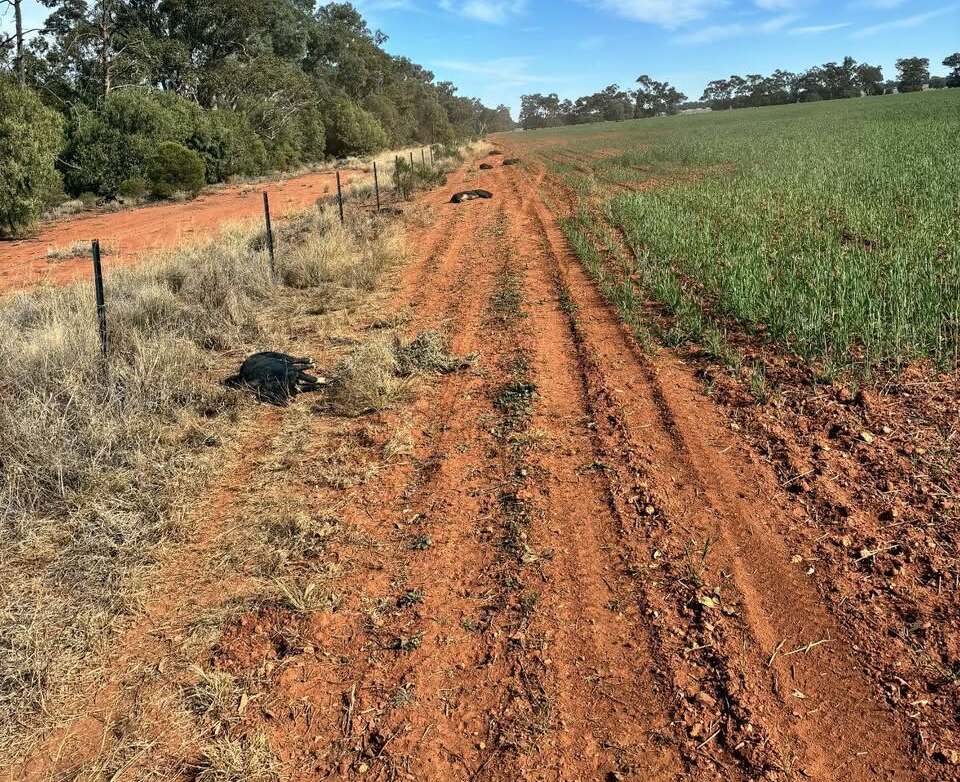
Across New South Wales, effective feral pig control relies on property‑specific management programs rather than one‑off treatments. Each property presents different challenges, and successful outcomes depend on using the right mix of control methods at the right time.
Tailored feral pig management programs ensure landholders receive practical, results‑driven solutions that align with their operational needs, while meeting their responsibilities under NSW biosecurity legislation.
Yes. Ongoing monitoring and neighbour coordination help reduce reinvasion.
As soon as activity is identified. Early intervention is generally more effective and less costly.
Feral pigs are one of the fastest-growing pest animal populations in Australia. Under favourable conditions, females can begin breeding at a young age and may produce multiple litters each year. With abundant food, water and shelter, pig numbers can increase rapidly, allowing small populations to become significant infestations within a relatively short period.
This high reproductive capacity is one of the main reasons early intervention and ongoing management are critical for preventing widespread property damage.
Feral pigs are highly intelligent, adaptable and primarily active during low-light periods, making them difficult to detect and manage. They often utilise dense vegetation, creek systems, crops and inaccessible areas for shelter, allowing them to evade casual control efforts.
In addition, feral pigs can travel considerable distances in search of food and water, meaning properties may experience ongoing reinvasion from neighbouring areas. Successful control typically requires a coordinated, strategic program rather than a one-off response.
Feral pig control can be undertaken year-round, but the most effective timing often depends on seasonal conditions, food availability and pig behaviour. Control programs are generally most effective when natural food sources are limited and pig activity becomes more concentrated around water, crops or feeding areas.
Property assessments help identify the most suitable timing and control methods for achieving the greatest reduction in pig numbers and damage
Yes. Following periods of above-average rainfall, feral pig populations can increase dramatically. Improved pasture growth, crop availability and water resources provide ideal conditions for breeding and survival.
Many landholders notice a rise in pig activity 6-12 months after good seasons, often resulting in increased rooting damage, water contamination and pressure on agricultural production. Proactive management helps prevent populations expanding to levels that become more costly and difficult to control.
Feral pigs do not recognise property boundaries. When control is conducted on a single property in isolation, pigs from surrounding areas can quickly move in and replace those removed.
Coordinated programs involving neighbouring landholders reduce reinvasion pressure and can significantly improve long-term outcomes. By combining monitoring, strategic timing and control activities across larger areas, coordinated management programs achieve broader population reductions and deliver more sustainable results for the entire region.