Rural Pest‑Management Case Studies from Central West NSW
Our work across the Central West demonstrates the real‑world impact of strategic pest management. From reducing kangaroo pressure to controlling feral pigs, foxes, wild dogs, rabbits, and hares, our case studies highlight measurable improvements in pasture condition, livestock safety, and long‑term property resilience
Case study 1 - Regional Golf Course Wildlife Management Program
Client
Confidential Regional Golf Course
Location
Riverina Region, NSW
Project Overview
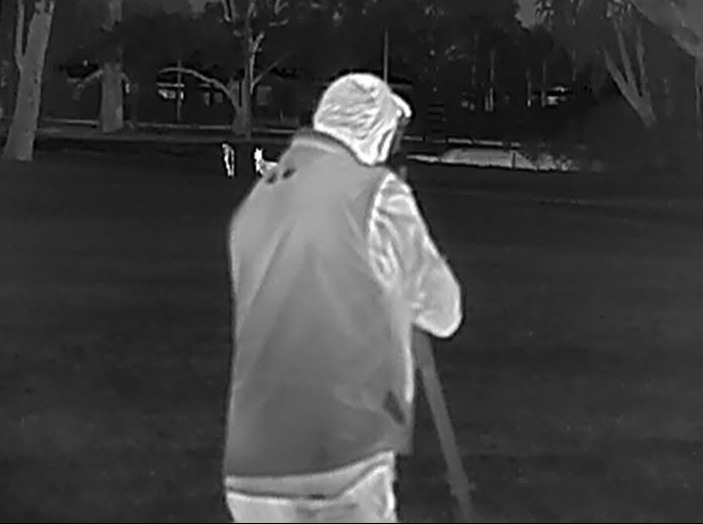
A regional golf course engaged Davrac Rural Pest Services to implement a structured wildlife management program to address increasing kangaroo activity across an active recreational facility. The site required a contractor capable of working safely within a public-access environment while maintaining normal operations and meeting all regulatory requirements.
Challenges
- Active public-access environment
- Ongoing golf course operations
- High stakeholder visibility
- Strict safety and risk management requirements
- Wildlife impacts to turf, infrastructure and course presentation
- Requirement for professional reporting and compliance documentation.
Davrac's Approach
Davrac developed a structured, site-specific management program supported by:
- Detailed operational planning
- Risk assessment and hazard management
- Coordination with client representatives
- Strict work-zone controls and safety procedures
- Compliance with all relevant licensing and regulatory requirements
- Professional operational reporting and record keeping
The program was designed to minimise disruption to course operations while maintaining the highest standards of public safety and operational accountability.
Outcomes
- Wildlife activity significantly reduced across key operational areas
- Improved safety and usability of affected sections of the facility
- Minimal disruption to normal golfing activities
- Compliance requirements successfully maintained throughout the program
- Clear reporting provided to support client governance and record keeping
Why It Matters
This project demonstrates Davrac's ability to operate safely and professionally within complex environments where public access, stakeholder visibility and regulatory compliance are critical considerations. The successful delivery highlights our capability to support not only agricultural clients, but also councils, recreational facilities, public land managers and commercial organisations requiring structured vertebrate pest management solutions.
Services Demonstrated
✅ Wildlife Management Programs
✅ Public Access Environment Operations
✅ Risk-Managed Pest Control
✅ Compliance Documentation
✅ Stakeholder Coordination
✅ Professional Reporting
Case study 1 - Rabbit & Hare Impact on Pasture Recovery
Property Type: Cattle Grazing
Primary Issue: Rabbits preventing pasture recovery following drought conditions
Key Result
- 80%+ reduction in rabbit activity within 6 months
- Pasture establishment restored across affected paddocks
- Significant decrease in burrow activity and soil disturbance
- Productive grazing capacity regained
Situation
Following several dry seasons, pasture recovery was being heavily suppressed by high rabbit and hare pressure.
Active burrow networks were expanding, and new pasture growth was being grazed off before it could establish, limiting the property’s ability to regain productivity.
Approach
Davrac implemented a structured, staged control program targeting both immediate pressure and long-term reduction:
Mapping and destruction of active burrow systems
Targeted night operations focusing on high-activity areas
Ongoing monitoring to track activity and prevent recolonization
Practical advice to support pasture recovery alongside control efforts
Measured Results (6 Months)
80%+ reduction in rabbit activity across mapped areas
Significant increase in pasture establishment and ground cover
Noticeable reduction in burrow activity and soil disturbance
Restoration of productive grazing capacity across affected paddocks
Outcome
Targeted, well-timed control reduced active pressure and allowed pasture recovery to occur.
By addressing both the source (burrows) and ongoing activity, the program delivered sustained improvement rather than short-term suppression.
Client Feedback
“Davrac didn’t just reduce the rabbits — they helped us rebuild the paddocks. The improvement is obvious."
case study 2 - coordinated fox control program
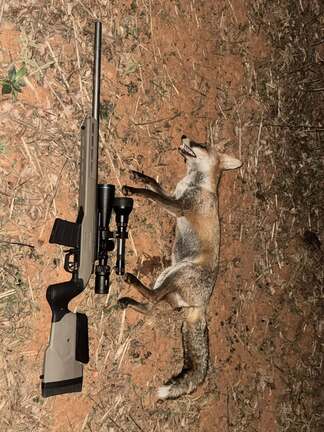
Property Type: 4,500-acre sheep enterprise near Wellington
Primary Issue: Ongoing predation and lamb losses
Key Result
- 60–70% reduction in predator detection, within 6 weeks
- Reduced stock losses during active program period
- Disruption of key predator movement corridors
- Improved livestock distribution across paddocks
Situation
A family-run sheep enterprise was experiencing repeated lambing losses due to wild dog and fox activity.
Previous control efforts had been sporadic and uncoordinated, allowing predator pressure to remain high and unpredictable—particularly across neighbouring properties.
Approach
Davrac implemented a coordinated, structured control program designed to reduce active predator pressure across the wider area:
Pre-operation monitoring to identify travel routes and high-risk zones
Targeted night-time thermal operations during peak activity periods
Coordination with neighbouring landholders to limit reinfestation
Scheduling aligned with lambing to protect vulnerable stock
Ongoing reporting and activity tracking
All operations were conducted in line with NSW regulations and best-practice animal welfare standards.
Measured Results
Noticeable reduction in predator activity within the first month
Lamb survival improved by 25–35% across participating properties
Reduced predator presence across key paddocks and travel corridors
Improved stock distribution and paddock utilisation
Outcome
Coordinated, well-timed control reduced immediate predation pressure and improved lambing outcomes.
By addressing predator activity at a property-to-property level, the program delivered more consistent results than isolated control efforts.
Participating landholders committed to ongoing seasonal coordination to maintain reduced pressure.
Client Feedback
“Davrac’s coordinated approach made a huge difference. The professionalism, communication, and results were far beyond what we’d been able to achieve on our own.”
Case Study 3 — Large‑Scale Feral Pig Pressure on a Nyngan Grazing Property
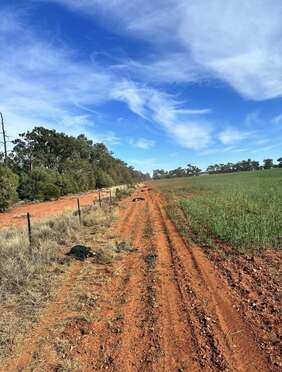
Property Type: Broadacre Cropping & Grazing
Primary Issue: High feral pig numbers causing infrastructure damage, pasture loss, and livestock risk
Key Result
- 65–75% reduction in feral pig activity within 8 weeks
- Significant reduction in damage at dams and creek-lines
- Improved pasture recovery with reduced rooting pressure
- Stabilised lambing outcomes in affected paddocks
Situation
A 2,000‑acre property west of Nyngan was experiencing increasing feral pig pressure following favourable seasonal conditions.
Pig activity was concentrated around dams, creek lines, and regenerating pasture, resulting in:
Heavy rooting and damage at water points
Predation on newborn lambs and calves
Ongoing pasture loss and reduced establishment
Soil disturbance increasing erosion risk
Previous control efforts were inconsistent and lacked a coordinated, property-wide approach—allowing numbers to recover quickly.
Approach
Davrac conducted a full property assessment and implemented a targeted, structured control program:
Mapping of high-pressure zones and movement corridors
Identification of breeding areas along creek systems
Monitoring to track mob size and activity patterns
Targeted night-time thermal operations in key areas
Strategic timing to disrupt breeding and reduce recovery
Follow-up surveillance to measure outcomes and maintain pressure
The focus was on precision, compliance, and sustained reduction, not short-term removal.
Measured Results (First 8 Weeks)
65–75% reduction in feral pig activity across mapped zones
Significant drop in damage around dams and creek-lines
Improved pasture recovery with reduced rooting pressure
Stabilisation of lambing losses in affected paddocks
Outcome
Targeted, well-timed control reduced active pig pressure and allowed the property to begin recovering.
By addressing movement patterns, breeding areas, and reinfestation risk, the program delivered measurable improvement beyond isolated control efforts.
The landholder has since implemented a seasonal monitoring and control program to maintain low pig numbers.
Client Feedback
“Davrac brought structure and strategy to a problem we’d been chasing for years. The difference in pig pressure and paddock condition is obvious.”
Case Study 4 — Wild Dog & Fox Control Program – Trangie District
Property Type: Mixed grazing operation in the Trangie district
Primary Issue: Persistent predation pressure and stock losses across multiple paddocks
Key Result
60–70% reduction in predator detection's within 6 weeks
Reduced stock losses during active program period
Disruption of key predator movement corridors
Improved livestock distribution across paddocks
Situation
A mixed grazing property near Trangie was experiencing ongoing stock losses linked to both wild dogs and foxes.
Predator activity was occurring across multiple paddocks, particularly along creek lines and boundary areas.
Previous control efforts had been isolated and inconsistent, allowing predators to move freely between neighbouring properties and maintain pressure on livestock.
Approach
Davrac implemented a coordinated predator control program focused on reducing activity across the broader area:
Pre-operation monitoring to identify key travel routes and high-use zones
Targeted night-time thermal operations during peak activity periods
Focus on boundary areas and movement corridors
Coordination with neighbouring properties to reduce reinfestation pathways
Follow-up monitoring to track activity and maintain control pressure
All work was carried out in line with NSW regulations and best-practice animal welfare standards.
Measured Results (First 6 Weeks)
~60–70% reduction in predator detections across monitored areas
Significant drop in activity along key travel corridors
Reduction in stock losses during program period
Improved livestock distribution across previously avoided paddocks
Outcome
Targeted, coordinated control reduced active predator pressure and improved livestock protection across the property.
By focusing on movement patterns and neighbouring influences, the program delivered more consistent results than isolated control efforts.
The landholder has since adopted an ongoing seasonal program to maintain reduced predator activity.
Client Feedback
“We’d been chasing the problem paddock by paddock. Once it was approached properly across the whole area, the difference was immediate.”