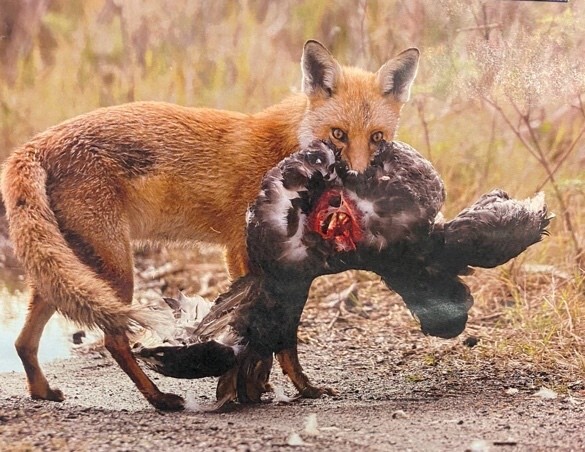
Lost lambs, stressed stock, and recurring predator activity can have a major impact on farm profitability. Davrac Rural Pest Services delivers professional, compliant predator-management programs designed to reduce fox and wild dog pressure before losses escalate.
✅ Licensed & Insured
✅ Thermal-Assisted Detection
✅ GPS-Mapped Reporting
✅ Property-Specific Programs
✅ Coordinated Neighbour Control Available
Book a property Assessment
0414 603 151
Foxes and wild dogs can impact your business through:
Many producers underestimate the financial impact until losses become significant.
Our programs aim to:
Every program begins with assessment, planning and monitoring rather than reactive control.
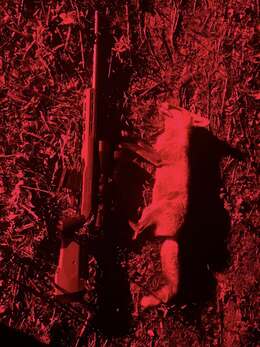
Fox & Wild Dog Management – Central West NSW
Foxes (Vulpes vulpes) and wild dogs—including feral dogs and dingo hybrids—are among the most destructive predatory pest animals affecting rural New South Wales.** Across the Central West and wider regional NSW, these predators cause major losses to livestock production, threaten native wildlife populations, and place ongoing pressure on farming businesses and rural communities.
Both species are responsible for significant predation on lambs, kids, poultry and young livestock, with attacks often occurring at night or during lambing and kidding seasons. Beyond direct livestock losses, foxes and wild dogs also impact biodiversity, placing sustained pressure on ground‑nesting birds, small mammals, and threatened native species.
Foxes and wild dogs are highly adaptable, mobile and intelligent predators. Their ability to:
…makes unmanaged populations a long‑term bio-security and animal welfare challenge for landholders throughout the Central West NSW region.
These predators readily move across boundaries, traveling through cropping country, grazing land, timbered ridges and traveling stock routes. Without coordinated management, localized control efforts often fail to reduce overall pressure.
Under the NSW Bio-security Act 2015, all landholders have a general bio-security duty to prevent, eliminate or minimize the risks posed by pest animals on their land.
Where foxes or wild dogs are present, this duty includes taking reasonable and proactive steps to manage the threat.
Effective management requires:
Foxes and wild dogs do not operate in isolation. Their wide-ranging movements mean that property‑by‑property control rarely delivers lasting results. Coordinated programs across multiple holdings—supported by professional planning, timing and monitoring—are the most effective way to reduce long‑term predation pressure.
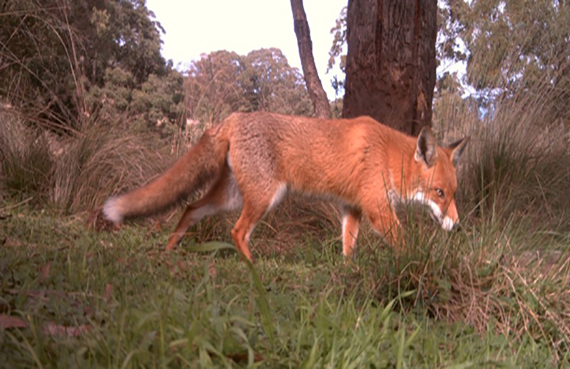
Wild dogs (including dingoes and hybrids) and foxes are two of the most significant predators impacting livestock, wildlife, and biosecurity across NSW. Both species leave distinctive tracks, scats, territorial markings, and predation patterns, allowing landholders to identify their presence early and implement control measures.
Missing lambs, kids or poultry.
Distinct tracks along fence lines, creek beds and stock routes.
Scats placed on tracks, roads and mounds.
Regular observations near water or livestock areas.
Particularly around dawn and dusk.
These sounds often indicate breeding activity or territorial disputes.
Effective fox and wild dog control requires a planned, sustained and coordinated approach. Short‑term or reactive measures often result in temporary displacement rather than meaningful population reduction. Professional predator management focuses on sustained pressure, accurate targeting and timing control activities around seasonal behaviour patterns.
Licensed feral pest control operators in NSW may use a combination of approved control methods, including:
All control activities are conducted in line with NSW legislative requirements, animal welfare standards and property‑specific safety considerations.
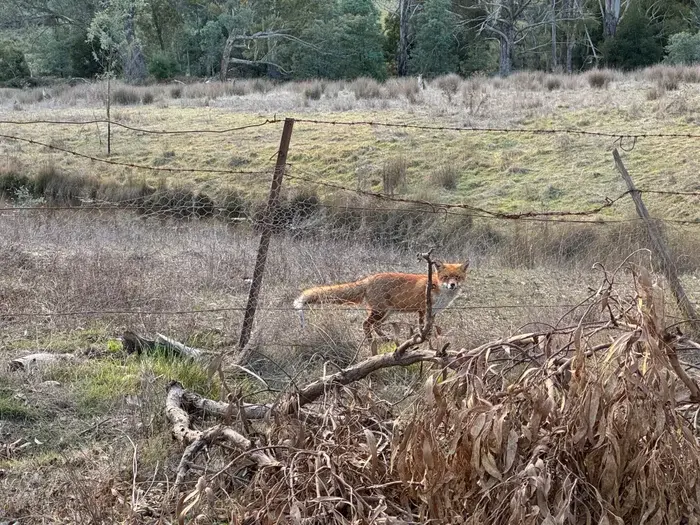
Professional predator management supports landholders by helping to:
Successful fox and wild dog control across New South Wales relies on tailored, property‑specific management programs rather than one‑off interventions. Terrain, livestock type, predator density, breeding cycles and surrounding land use all influence which control methods are most effective.
By applying the right mix of techniques and coordinating efforts with neighbouring landholders where possible, fox and wild dog pressure can be reduced sustainably. This approach helps landholders meet their bio-security responsibilities while delivering long‑term protection for livestock, land condition and biodiversity.